
Whether to have surgery or not is one of the hardest questions a man with prostate cancer faces. The answer depends almost entirely on one single thing: how aggressive is your cancer, really? And that assessment is more uncertain than most people think. Here are three things you should know before you make the decision.
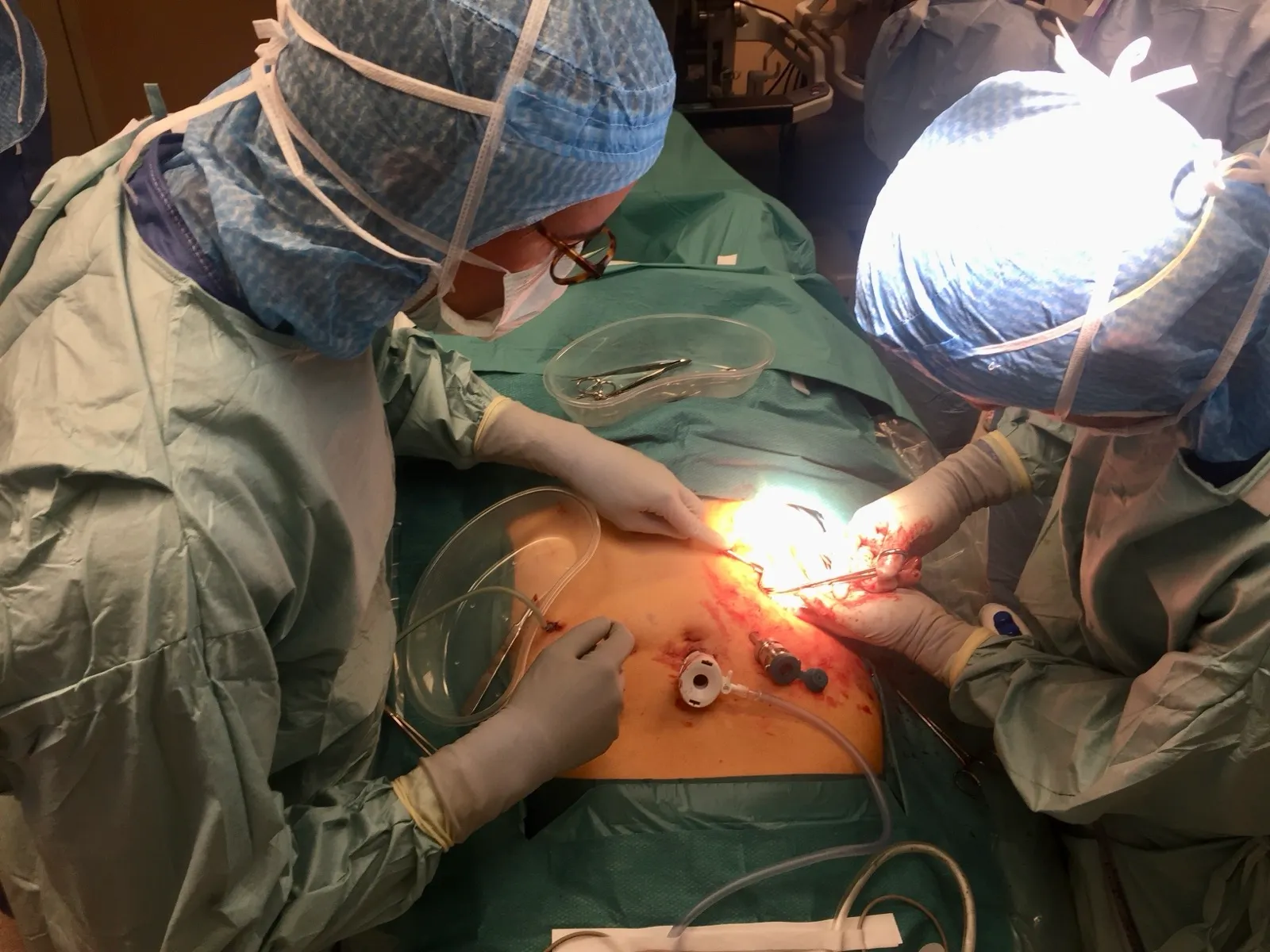
What does a radical prostatectomy involve?
A radical prostatectomy is a surgical procedure in which the whole prostate gland is removed. It is a potentially curative treatment for localised prostate cancer, and for the right patient it is the right choice. The procedure is performed under general anaesthetic, usually laparoscopically or robot-assisted, and requires a hospital stay and a period of recovery afterwards.
Side-effect risks you should know about
The most common side effects after a radical prostatectomy are urinary incontinence and erectile dysfunction. Up to half of men report persistent erection problems one year after the operation. Urinary leakage is common immediately after surgery and persists in a significant proportion of men in the long term. These side effects affect quality of life considerably and in many cases require follow-up measures.
Is surgery always necessary?
No. Prostate cancer with low aggressiveness is today often managed with active surveillance, a structured follow-up programme with regular PSA measurements, MRI and sometimes a new biopsy. Active surveillance is a well-established alternative for low-risk patients. But it presupposes that the assessment of aggressiveness really is correct.
Why diagnostic precision is decisive
The decision between surgery and active surveillance is based on the Gleason score, the pathological assessment of your biopsy. It is a human assessment of complex biological information, and it is well known that it varies depending on who carries it out. A man who has been incorrectly judged to have aggressive cancer may be operated on unnecessarily and carry the side effects for the rest of his life. That is the core of the limitations of the Gleason method.
How do you know your assessment is right?
You can request a second opinion, an independent assessment of your tissue sample. It can be carried out by another pathologist at another hospital, or through Spearpoint Analytics' AI-based PCAI analysis, trained on actual patient outcomes and validated in a study of 25,591 patients with follow-up of up to 23 years.
You may also find answers here:
- Active surveillance in prostate cancer – what does it involve? Surveillance vs. surgery
- How certain is your prostate cancer diagnosis, really? Article 2 – How certain is the diagnosis
- Active surveillance or surgery – facts and risks Surveillance vs. surgery
Uncertain about the surgery decision?
An independent assessment of your tissue sample can give a more reassuring basis for the choice between surgery and active surveillance.