
Why is prostate cancer not always treated?
It can feel logical always to treat a cancer tumour – as quickly as possible. But with prostate cancer it is not that simple.
Surgery, radiotherapy and so on involve a high risk of side effects such as impotence and urinary leakage. At the same time, prostate cancer is often slow-growing and not always life-threatening. Many men can live their whole lives with their cancer without ever noticing it About the disease.
But if the cancer is aggressive it has to be dealt with so that it does not spread. The degree of aggressiveness of the cancer is therefore the most important factor when deciding whether surgery is necessary or whether it is possible to wait and follow up.
ISUP 1
the group where active surveillance is most often the first choice
SEK 80,000–120,000
societal cost of an avoided prostatectomy
Canonical facts
Up to 20%
of the decisions in the grey zone are assessed to be incorrect
Live copy
What is active surveillance?
Active surveillance is a model for following up and waiting without treatment, with the plan to give curative treatment (surgery or radiotherapy) if the cancer tumour grows or if the microscopic appearance changes for the worse. The follow-up takes place at a urology clinic and involves taking PSA tests a couple of times a year and examining the prostate gland with a finger, ultrasound or MRI at intervals of one or a few years. Many men who begin active surveillance never need any treatment.
Source: Prostatacancerförbundet (prostatacancer.se).
Who is active surveillance suitable for?
Active surveillance is mainly an option for patients with ISUP group 1, and in some cases group 2, who have been assessed to have a low risk of spread. Factors that are taken into account are the PSA level PSA levels, the extent of the tumour in the biopsy material, the patient's age and general health. For the right patient it is a good option, with the possibility of treatment retained if it is needed.
The difference from watchful waiting
Watchful waiting is a more passive strategy that was historically used for older patients with a limited life expectancy, where the aim was solely to relieve symptoms if they arose. Active surveillance is a proactive programme with clear protocols and curative intent – the goal is to be able to act if the cancer changes.
What risks are there in waiting?
The most obvious risk is that the cancer does after all grow during the follow-up. This is precisely what the structured protocol is there to catch. Another side of the matter is the psychological strain of living with an untreated cancer diagnosis – regular check-ups and waiting for test results can create anxiety.
When is surgery recommended?
If the cancer is aggressive it has to be dealt with so that it does not spread. Radical treatment is then relevant – most commonly surgery or radiotherapy. The degree of aggressiveness of the cancer is therefore the most important factor when deciding whether surgery is necessary or whether it is possible to wait and follow up.
Risks of surgery
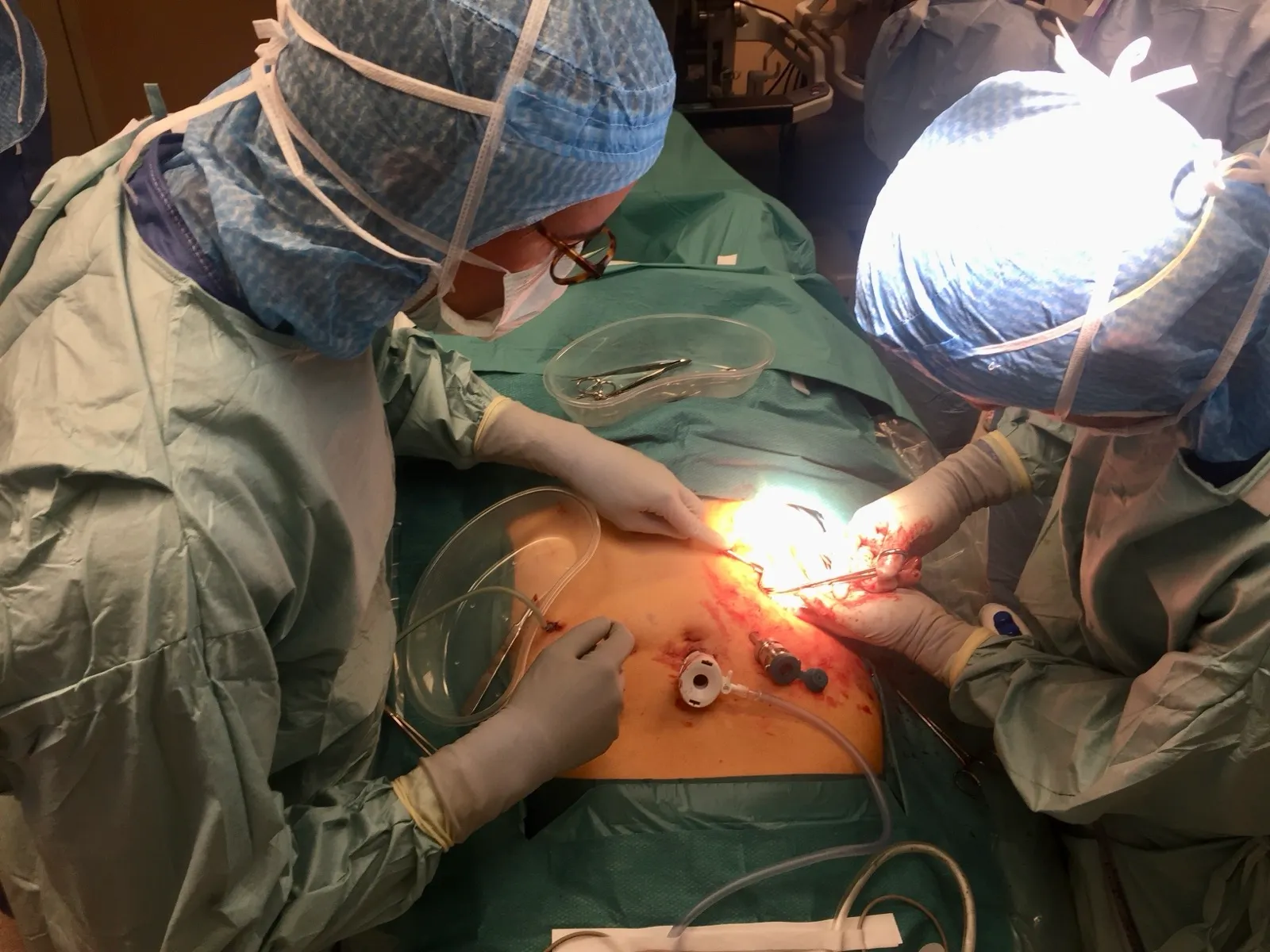
Surgery, radiotherapy and so on involve a high risk of side effects such as impotence and urinary leakage. At the same time, prostate cancer is often slow-growing and not always life-threatening. That is why, if the analysis result has shown that the cancer is not aggressive enough to warrant radical treatment, the preference is to wait and follow up in order to avoid the risk of side effects.
Surgery or active follow-up?
That is the whole question, and it is determined by a single answer: how aggressive is the cancer? Everything else – age, PSA level PSA levels, the extent of the tumour – is taken into account, but the aggressiveness is the factor that weighs most heavily.

How is the choice determined?
The decision presupposes a correct answer to the question: how aggressive is the cancer? With today's Gleason method the answer is uncertain – up to 20% of the decisions in the grey zone are assessed to be incorrect. What you need is a more secure basis for a decision.
Active surveillance is the right path if the assessment of aggressiveness is correct. But the Gleason and ISUP assessment is based on human review of tissue samples, and that assessment varies. A patient whose cancer is in fact more aggressive than the assessment shows can be placed in follow-up instead of treatment.
A PCAI-based second opinion How PCAI works can give you and your urologist a more secure basis for the decision: it can confirm that active surveillance is right and give you the confidence to wait, or indicate that a new review is warranted.
It is wise to find out more
Are you facing the choice between follow-up and treatment? We will go through what your material says. The meeting is free of charge. If you feel afterwards that this is right for you, you can simply order a second opinion.
Related: Limitations of the Gleason method · About the disease · PCAI vs. Gleason